




A New Book to Protect Girls in a Porn-Saturated World: How to Safeguard their Self-Worth and Emotional Well-Being

Girls are not immune to pornography’s pull or its harm. That’s why I wrote Good Pictures Bad Pictures Guide for Girls: How I Stay Safe, Smart & Confident—to help girls reject toxic messages and build boundaries that lead to lifelong protection and self-esteem.
For decades we’ve treated pornography like a boys-only problem. I used to do the same. But courageous women changed that.
About ten years ago, I heard a woman share her personal story of pornography addiction, and I was honestly surprised. But I kept listening.
A college student opened up to me at a conference. Then I listened to two young moms testify at a Senate hearing about their porn exposure as young kids and the subsequent addiction and trauma. Just a few weeks ago, a grandmother—the cashier at a bookstore that carries my books—told me her story too. Women of different ages. Different life stages. Same hidden burden.
But there was another reason I wrote this book: parents with daughters asked me to. Again and again, they told me girls needed their own book–to reduce shame and open up protective conversations.
It took two years to write, beta test, and publish Good Pictures Bad Pictures Guide for Girls. I wanted to specifically address the pressures girls feel today and give them shame-free ways to face the incessant media messages that threaten their health, well-being and self-worth.
Good Pictures Bad Pictures Guide for Girls is a beautifully illustrated read-aloud book for girls ages 7–12. It models warm parent-daughter dialogue and includes “Let’s Talk” prompts to help families continue these conversations in everyday life.
And you can read it even before introducing the birds and the bees. It doesn't address sex openly, which makes it a helpful way to begin building awareness, safety, and trust early.
Girls are not immune
Many parents still assume girls are less vulnerable to pornography than boys. But girls are being exposed, too—and often in ways adults underestimate.
Today, harmful sexualized content can reach girls through:
- social media
- video platforms
- music apps
- podcasts
- group texts and peer sharing
- stories, romance content, and fan fiction
Pornography is no longer tucked away in obvious places. It can come through nearly any internet-connected screen and often arrives through the very media girls already enjoy.
But beneath the packaging, it can still teach objectification, sexual violence, and unhealthy but powerful ideas about their bodies, relationships, and self-worth.
Why parents put off this conversation
Most parents love their daughters and want to protect them. But love does not make these conversations easier.
Parents often hesitate because:
- they assume porn is mostly a boys’ issue
- they do not want to rob their daughter’s innocence
- they feel awkward or unprepared
- they are busy and it’s easy to postpone
I understand that hesitation. But waiting does not protect girls. Preparation does.
That’s why the Guide for Girls was created—to model warm, natural conversations and provide prompts for deeper discussions between adults and children.
What makes this book different
When I first imagined a book for girls, I knew it had to be more than a version of the original with different illustrations.
Girls face unique pressures around body image, social comparison, and relationships. They need help understanding that pornography is more than pictures–it includes stories and lyrics, too. Girls need to understand how objectification works, how toxic media messages shape identity, and why protecting their minds matters.
This guide was written specifically to help girls:
- reject objectification
- avoid addiction
- build a healthy self-image
- respect and protect their bodies
- make wise media choices
- open trusting conversations with parents
- develop confidence and healthy boundaries
It is protective without being alarmist, direct without being harsh, and honest without shaming.
What girls will learn
Inside Good Pictures Bad Pictures Guide for Girls, girls learn:
- a simple, age-appropriate definition of pornography that includes stories and lyrics
- why pornography is harmful, including objectification, violence, and addiction
- how the thinking brain, feeling brain, and dopamine interact
- how to respect their bodies and those of others
- why they should never share pictures of private body parts
- how to make healthy choices rooted in good media values
- how to use the CAN DO Plan to respond safely to harmful material
Girls need more than a simple warning. They need the facts and the right vocabulary. They need clarity, connection, and compassion. And they need a plan.
Teaching girls to feel powerful, not afraid
One of the most important messages in this book is simple: girls have power to:
- reject harmful messages
- protect their minds
- value themselves for much more than appearance
- speak up when something feels wrong
- ask for help without fear
- make choices that support their safety and confidence
When children are taught in a calm, matter-of-fact way, they are less likely to feel shame about their curiosity or confusion. They are better able to recognize harmful content, reject it, and turn to a trusted adult instead of worrying in silence.
Why brain science matters
I wanted girls to understand why pornography can feel enticing and compelling to the brain.
That’s why the Guide for Girls explains the brain science of addiction in simple, child-friendly language. Girls learn about the thinking brain, the feeling brain, and dopamine. They begin to understand that pornography can hijack the brain’s reward system and make harmful material harder to forget.
In fact, explaining the brain science reduces shame. It helps girls understand that they are not bad if they feel curious. They are human. And that is exactly why they need tools to protect their growing minds.
Why a girl-focused guide matters so much
Girls are growing up in a culture that often teaches them to measure themselves by appearance, amount of attention, and hotness. Pornography intensifies those messages. It trains viewers to objectify others and to objectify themselves.
That is why the Guide for Girls addresses:
- objectification
- body image
- friendships and belonging
- emotional and social pressure
- romance-driven media
- unhealthy cultural scripts that destroy self-worth
Girls need to know that their value is intrinsic. It does not come from being attractive, desired, or approved of. It comes from the unique gifts, values, skills, and character they are developing.
A tool for families, not just for girls
Although this book speaks directly to girls, it is also a tool for the adults who love them.
It helps parents, grandparents, counselors, teachers, leaders, and caregivers start conversations that many have wanted to have but did not quite know how to begin. It offers an age-appropriate script and turns an uncomfortable topic into an opportunity for trust-building and connection.
What I hope girls take away
More than anything, I hope girls take away four lasting advantages:
- an open, trusting conversation with a parent or caring adult
- an understanding of how harmful objectification is
- a plan to protect their minds from addiction
- stronger protection against exploitation and harmful media messages
I want girls to be prepared for what they will face so they can grow up safe, smart, and confident—not naive, not ashamed, and not alone.
Final thought
We cannot protect girls by leaving them out of the conversation.
We protect them by:
- providing accurate information,
- modeling confident and compassionate behavior, and
- giving them an effective plan to reject and recover from pornography exposure.
That is the heart behind Good Pictures Bad Pictures Guide for Girls: How I Stay Safe, Smart & Confident —a warm, research-informed, family-tested resource that helps girls reject toxic messages, resist harmful cultural scripts, and build lifelong self-esteem and confidence.
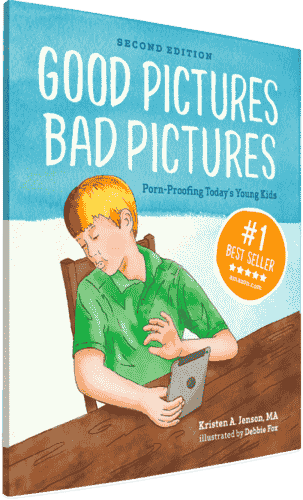
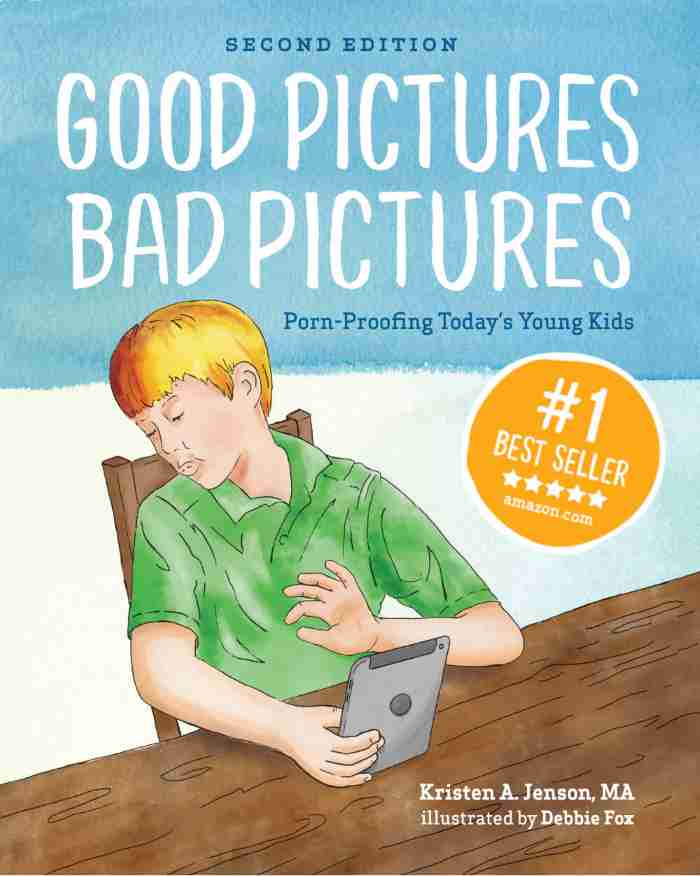
Good Pictures Bad Pictures
"I really like the no-shame approach the author takes. It's so much more than just 'don't watch or look at porn.' It gave my children a real understanding about the brain and its natural response to pornography, how it can affect you if you look at it, and how to be prepared when you do come across it (since, let's face it... it's gonna happen at some point)." -Amazon Review by D.O.

